|
Power & Performance
Electric Bike
Smooth and quiet.
Strong initial torque but loses power on long hills.
Not ideal for steep mountains.
Gasoline Bike
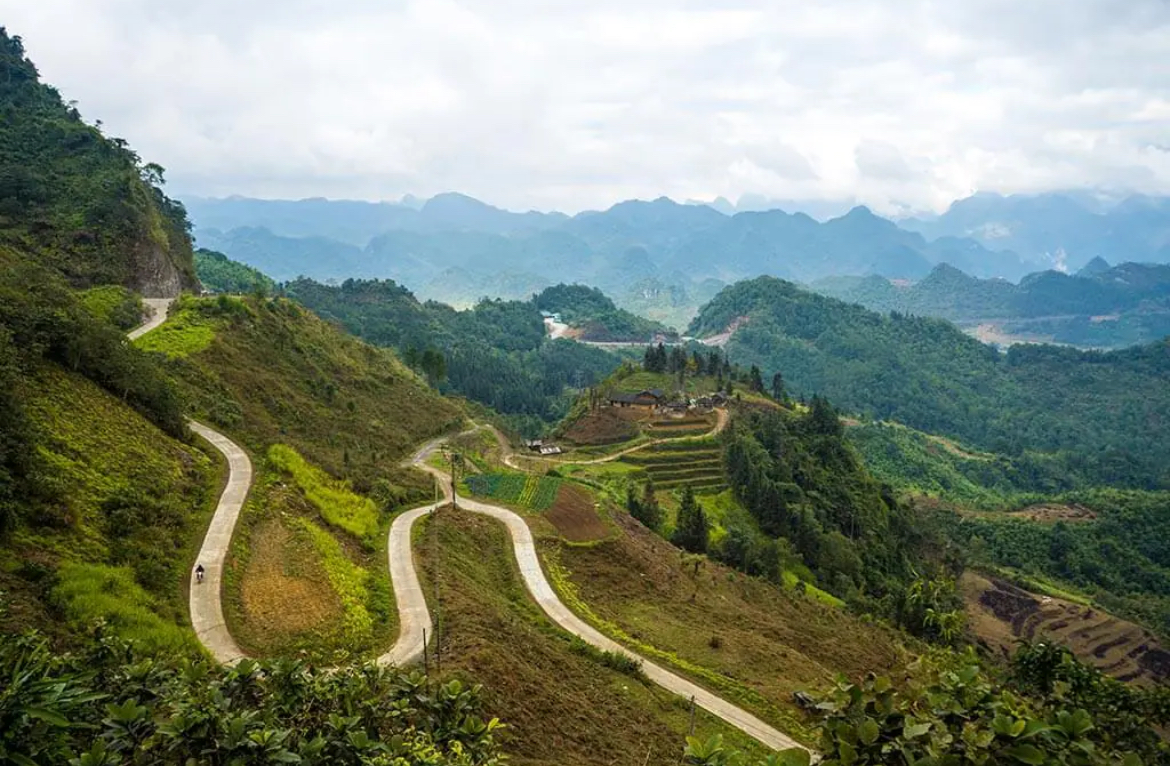
Strong, consistent power for long-distance and hill climbs.
Performs better with heavy luggage or two riders.
Suitable for all terrains (mountains, dirt roads, long highways).
Range & Convenience
Electric Bike
Real-world range: 50–120 km depending on terrain.
Must plan routes around charging points.
Charging takes 1–8 hours, depending on the charger.
Limited charging infrastructure outside big cities.
Gasoline Bike
Range: 200–300 km+ per tank.
Refuel anywhere in Vietnam in 2–3 minutes.
No worries about running out of energy.
Reliable for long trips such as Ha Giang Loop, Sapa, Cao Bang, and coastal routes.
Maintenance & Repair
Electric Bike
Simple mechanical structure, fewer moving parts.
But if battery/controller/motor fails → hard to repair in remote areas.
Very few shops can fix e-bikes in the mountains.
Gasoline Bike
Repair shops everywhere in Vietnam.
Easy to fix flat tires, engine issues, oil changes, broken parts.
Cheap and fast repairs.
Weather Impact
Electric Bike
Cold weather reduces battery performance.
Heavy rain/humidity may affect electrical components.
Gasoline Bike
Performs well in all weather conditions.
No major performance drop in cold or wet climates.
Travel Suitability
Electric Bike
Best for:
Short city rides
Home–work commuting
Flat terrain
Eco-friendly urban travel
Not ideal for:
Long-distance trips
Mountain routes
Areas without charging stations
Gasoline Bike
Best for:
Long road trips
Mountain loops (Ha Giang, Sapa, Cao Bang)
Rural areas
Heavy luggage
Two-person travel
Final Verdict
If your plan is mountain travel or long-distance travel in Vietnam, a Gasoline Motorbike is the clear winner.
If your plan is short city trips, Electric Bikes are quiet, cheap, and eco-friendly—but not suitable for adventure travel
|